
 The new generation of Nomads will have a new generation of flight suits.
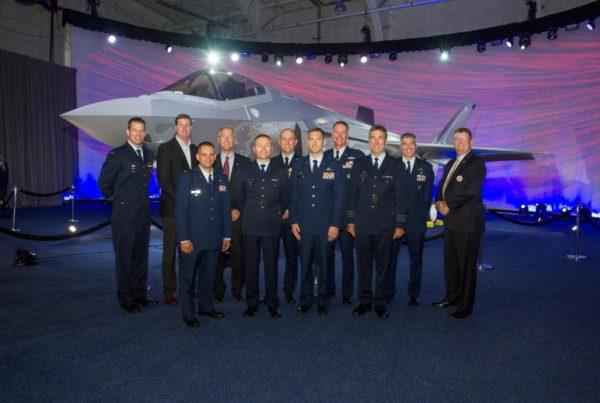
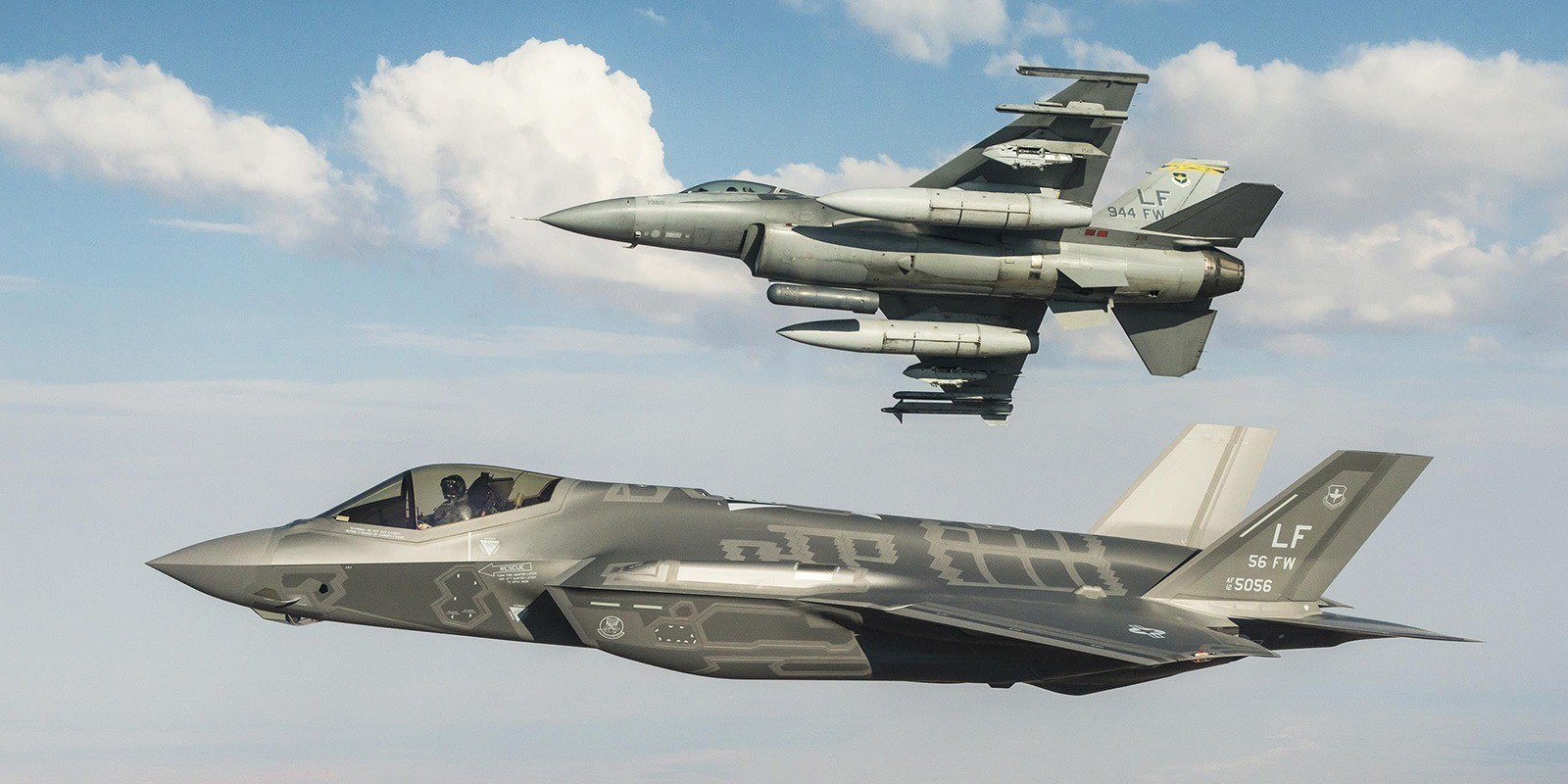
Joint Strike Fighter pilot instructors were fitted for their new gear Thursday morning in Nomad Hall during a press conference.
Representatives from the suit and helmet manufacturers fielded questions. They shared the number of measurements taken to fit pilots into the gear and safety measures taken to make the suits. They also detailed features of everything, including the socks.
But they would not talk prices.
“It costs more than your house,” said Bob Foote, chief technology officer of helmet manufacturer Vision Systems International.
Rumor had it that helmets cost about $250,000 each, but Foote would not confirm it.
The flight suits were a greater mystery.
Because they are being bought and produced in a small batch for the instructors than greater numbers as the program revs up, the initial cost per uniform is more than it will be in the future, said Dale Hensley, JSF support equipment logistics lead at Lockheed Martin. He did not offer an estimate.
Graham Robertson, JSF trials and integrated logistics manager for RFD Beaufort, helped design of the flight suits. He said a lot of money was saved on the project but did not know how much.
“We’re just engineers,” he said. “We’re just trying to tailor our equipment to the needs and we know there will be many needs.”
The suits will be worn by pilots from the Navy, Air Force and Marines, and student pilots from allied countries.
Each branch of service and country can tailor the suits according to its use. For example, the U.S. Navy and British pilots will fly over water more often than the Air Force. They will have options such as integrating life preservers into the suits.
RFD Beaufort took a flight suit already in production then made improvements based on F-35 specifications and trial runs.
Those improvements included tailoring the sleeves for safer ejections during an emergency and creating two different g-force protection suits that would keep pilots from blacking out in an emergency.
A pilot who tested the g-protection suits during flight demonstrations showed a notable improvement to current suits.
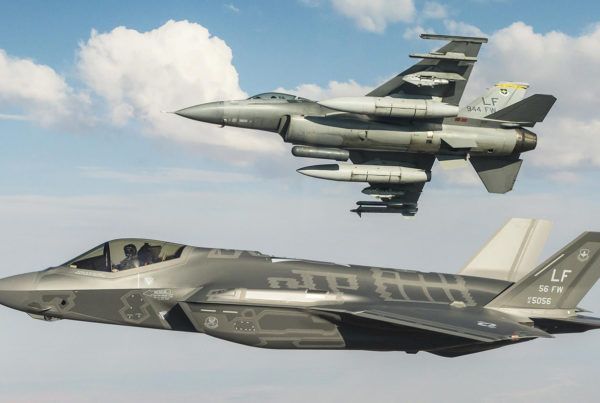
“When in the Legacy suit (worn flying F-16’s), he was fatigued after one display,” Robertson said.
The pilot then changed into the new protective gear. “After three displays, he was fresh as a daisy,” Robertson said.
The suits are manufactured in Ohio with material made in the United States.
Socks are sewn into thermal suits and create a barrier against water in case a pilot ejects and lands in water. Other garments whisk away summer heat and have coolants pumping in them.
Pilots will wear flame-retardant undergarments that Roberts said would have saved thousands of lives had they been used years ago
“This equipment will protect and give the pilots a chance to get out,” Roberts said. “It integrates with the ejection seat and helmet.”
Fitting and issuing the gear is a two-day process that includes testing the gear in a cockpit to ensure pilots can function safely and comfortably.
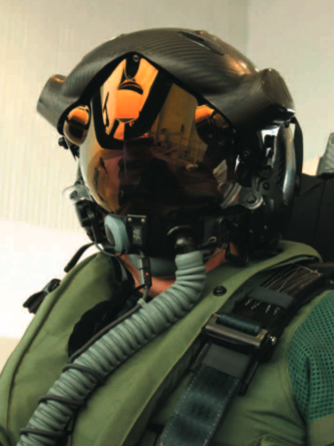
The most advanced step in the fitting process is the personalized helmet fitting. A laser scanner maps the head of each pilot and creates padding tailored to the individual in a matter of hours.
The fit of the helmets impressed Maj. Eric Smith, assistant director of operations for the 58th Fighter Squadron. He said it felt like the helmet was suctioned to his head.
“They also have noise reduction. They’re very nice,” he said.
The technology in the four-pound helmet does not stop at the fitting. The helmets make flying the F-35 seem like flying an invisible aircraft. When pilots look down, they see the view under the aircraft. A glance to each side also shows them the view outside of the aircraft.
“It’s like playing a virtual reality game,” Foote said. “The plane helps a little. But I prefer to think they built the plane to the specifications of this helmet.”